


By Ali Bolourchi, Broker with RE/MAX Your Community Realty, Brokerage *
Published April 2026 · 10-minute read

Owning a home in Ontario feels further away than ever — unless you know where to look and how to structure the deal. Rent-to-Own (RTO) in the province's secondary markets is one of the most underused pathways to homeownership, and 2026's buyer-friendly conditions make it the best entry window in years.
With the average Ontario home price sitting at $811,868 as of March 2026 — and secondary markets like Hamilton, Kitchener-Waterloo, Barrie, Guelph, Oshawa, and London offering homes for $150,000–$300,000 less — the gap between renting and owning has never been easier to bridge with the right agreement.
This guide walks you through exactly how Rent-to-Own works, which Ontario secondary markets offer the best opportunities right now, and what realistic numbers look like — complete with market comparison tables, three real deal scenarios, and the legal clauses that protect you at every step.
Why Ontario's Secondary Markets Are the Smart Play in 2026
The GTA's average home price of $1,026,449 (Central Ontario, March 2026) remains stubbornly out of reach for most first-time buyers. But one hour away, a different picture emerges:
[ IMAGE: Map graphic — Ontario showing GTA vs. secondary market cities with price labels (Hamilton $721K, Kitchener $733K, Oshawa $690K, Barrie $699K, Guelph $735K, London $627K) ]
Ontario Secondary Market Snapshot — March/April 2026
Sources: WOWA.ca, OREA, nesto.ca, Zumper, Blue Anchor PM (April 2026)
The data tells a clear story: secondary markets have corrected significantly from their 2022 peaks, inventory is elevated, and sellers are motivated. That combination — falling prices, longer days on market, and cautious sellers — is exactly when Rent-to-Own agreements are easiest to negotiate.
35.5% above the five-year averageActive listings in Ontario are
$607,500 — nearly half the GTA townhouse priceHamilton townhouses average
$627,112 averageLondon is Ontario's most affordable major market at
GO Transit expansion and remote work have made secondary markets genuinely liveable for GTA commuters
How Rent-to-Own Works: A Plain-English Explainer

A Rent-to-Own agreement combines two legal documents into one homeownership pathway:
Step 1 The Lease Agreement
A standard residential lease governing your monthly rent, maintenance responsibilities, and the term (usually Two [2] to Three [3] years). Under Ontario's Residential Tenancies Act, your rights as a tenant are fully protected during this phase.
Step 2 The Option to Purchase
A separate contract — signed at the same time — giving you the exclusive, irrevocable right to buy the property at a price locked in TODAY, before a specific deadline. You pay an Option Fee upfront (typically 3–5% of the purchase price) that is credited to your down payment if you exercise the option.
Step 3 Monthly Rent Credits
Each month, a pre-agreed portion of your rent (typically $200–$600) is designated as a "Rent Credit" and accumulates toward your down payment. Over Three [3] years, this can add up to $7,200–$21,600 in credited savings.
Step 4 Exercise the Option
Before the option expiry deadline (at 9:59 p.m. on the agreed date), you deliver written notice to the seller and execute a formal Agreement of Purchase and Sale (APS) using all standard OREA forms.
Step 5 Close with Your Mortgage
Your accumulated Option Fee, Rent Credits, and personal savings combine into your down payment. Your lawyer handles title transfer, Land Transfer Tax (first-time buyers may qualify for up to $4,000 rebate), and mortgage registration.
Three Real Scenarios: Secondary Markets, Real Numbers
The following scenarios are based on current 2025–2026 market data. All numbers are illustrative — actual terms must be negotiated for each property and reviewed by a qualified Ontario real estate lawyer.
SECONDARY MARKET SPOTLIGHT · HAMILTON
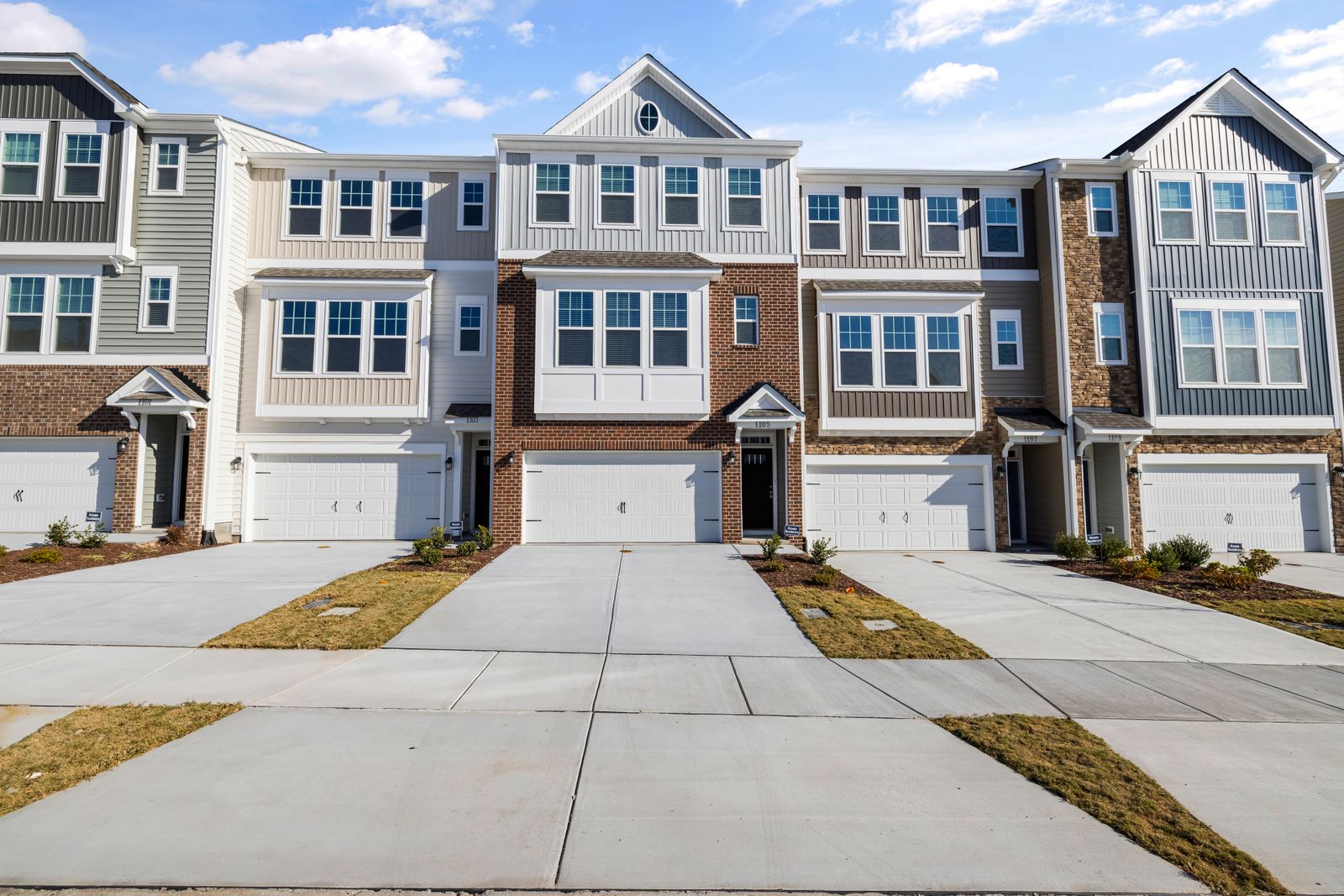
Scenario A — Hamilton 3-Bedroom Townhouse
Hamilton is Ontario's best-value secondary market in 2026. Townhouse prices dropped 11.1% year-over-year to $607,500, making it the most negotiable RTO market in the Golden Horseshoe. GO Transit connects Hamilton to Union Station in under 70 minutes.
Deal Structure at a Glance
How the Down Payment Adds Up
Qualifying income required: ~$130,000–$140,000 household (stress test at ~7.25%)
SECONDARY MARKET SPOTLIGHT · KITCHENER-WATERLOO
Scenario B — Kitchener-Waterloo 3-Bedroom Semi-Detached
The Waterloo Region's tech sector draws young professionals from across Canada. Home prices are correcting (down 5.0% YoY) while the area's fundamentals — Google, BlackBerry, the University of Waterloo — remain strong. Ideal for buyers who want a foothold before prices recover.

Deal Structure at a Glance
How the Down Payment Adds Up
Qualifying income required: ~$145,000–$160,000 household (stress test at ~7.25%)
SECONDARY MARKET SPOTLIGHT · BARRIE
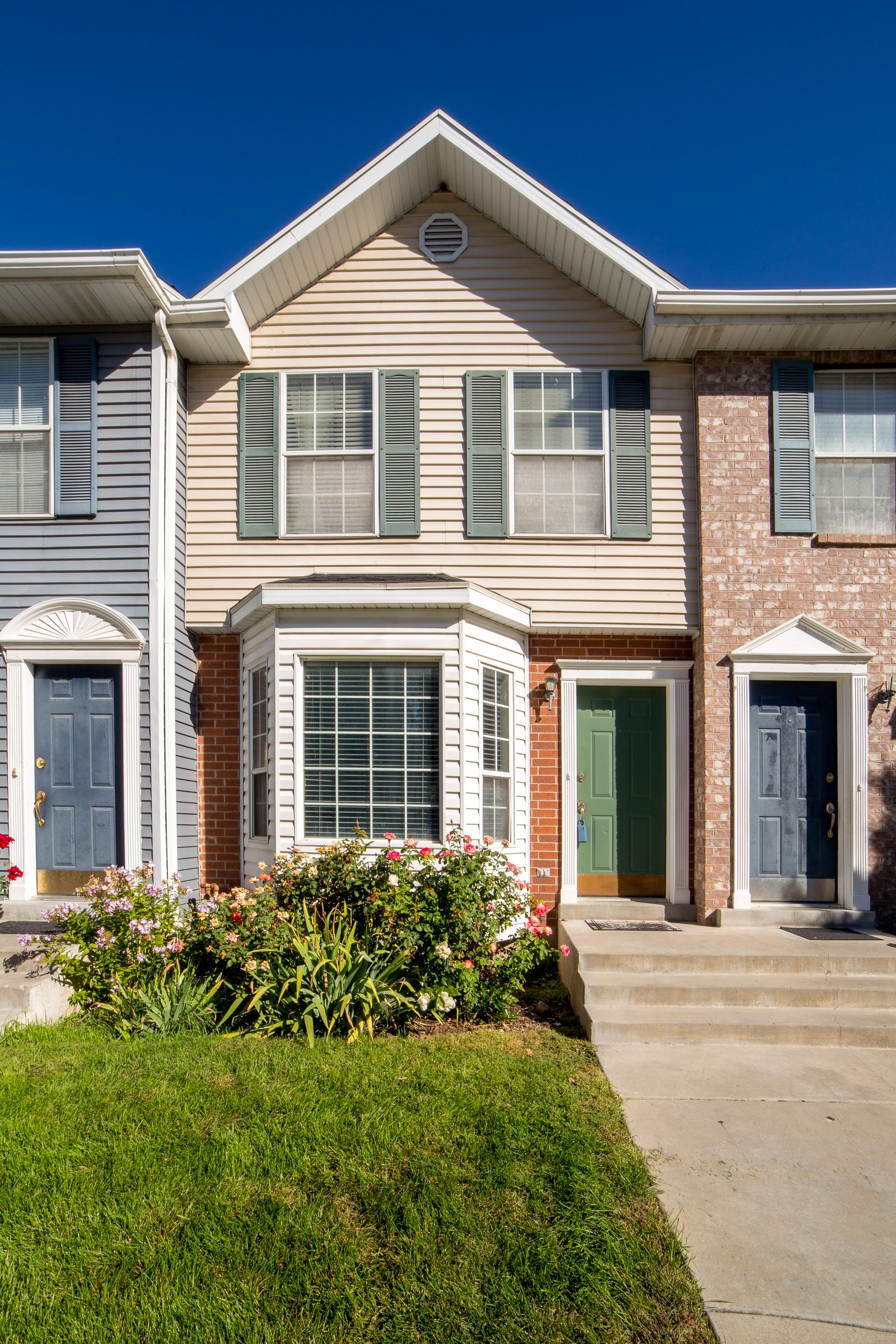
Scenario C — Barrie 3-Bedroom Detached Home
Barrie is RE/MAX's top-predicted market for sales growth in 2026 (+10%). GO Train service from Barrie to Union Station makes it viable for hybrid workers. Detached homes remain accessible at under $700K — a property type that is nearly impossible at this price in the GTA.
Deal Structure at a Glance
How the Down Payment Adds Up
Qualifying income required: ~$155,000–$170,000 household (stress test at ~7.25%)
Side-by-Side: Which Secondary Market Is Right for You?
The Legal Framework: Key OREA-Aligned Clauses
Every Rent-to-Own agreement in Ontario has two core documents. The following are educational drafting examples only — all clauses must be adapted and reviewed by a qualified Ontario real estate lawyer before signing.
OPTION TO PURCHASE:
In consideration of the Option Fee of [AMOUNT IN WORDS] [$AMOUNT] Dollars paid by the Tenant/Buyer to the Landlord/Seller, the Landlord/Seller hereby grants to the Tenant/Buyer the exclusive and irrevocable option to purchase the property municipally known as [PROPERTY ADDRESS], in the [City], Ontario, for the purchase price of [PRICE IN WORDS] [$PRICE] Dollars, on the terms to be set out in a formal Agreement of Purchase and Sale. This option must be exercised by written notice delivered to the Landlord/Seller no later than 9:59 p.m. on the last day of the [TERM]-month lease term. If not exercised within the time stated herein, this option shall be null and void and the Option Fee shall be retained by the Landlord/Seller as agreed liquidated damages.
RENT CREDIT AND INTEREST:
The Parties agree that of the monthly rent of [TOTAL RENT IN WORDS] [RENT]Dollarspermonth,thesumof[CREDITINWORDS][RENT] Dollars per month, the sum of [CREDIT IN WORDS] [ RENT]Dollarspermonth,thesumof[CREDITINWORDS][CREDIT] Dollars per month (the "Rent Credit") shall be accumulated by the Landlord/Seller and held on behalf of the Tenant/Buyer. The accumulated Rent Credits shall bear interest at the rate of [AGREED RATE, e.g., Two [2.5%]] percent per annum, calculated annually, commencing on the first anniversary of the lease commencement date. All accumulated Rent Credits, together with accrued interest thereon, shall be applied toward the purchase price upon the Tenant/Buyer's valid exercise of the Option to Purchase. In the event the Tenant/Buyer does not exercise the Option to Purchase within the time stated herein, the accumulated Rent Credits and all accrued interest thereon shall be forfeited and retained by the Landlord/Seller as agreed liquidated damages, unless otherwise agreed in writing by both parties.
The Landlord/Seller shall also pay to the Tenant/Buyer interest on the Last Month's Rent deposit at the rate prescribed annually by the Ontario Rent Increase Guideline, currently [2.1%] for 2026, in accordance with section 106(6) of the Residential Tenancies Act, 2006. Such interest shall be paid or credited to the Tenant/Buyer within twelve [12] months of the anniversary of the tenancy commencement date.
Is Rent-to-Own Right for You? A Quick Checklist

Rent-to-Own works best when several of the following are true for you:
Good candidates for RTO:
You have an Option Fee (3–5% of purchase price) saved or accessible today
Your credit needs 12–24 more months of clean history to qualify for a prime mortgage
You are self-employed or have income that is difficult to document now, but will be clear in 2–3 years
You want to lock in today's corrected price before the market recovers
You have found a secondary market where you genuinely want to live long-term
You can afford the RTO monthly rent (typically 10–20% above market) while also saving monthly
You have or plan to open a First Home Savings Account (FHSA) — up to $8,000/year tax-free
RTO may not be the right fit if:
You cannot afford to lose the Option Fee if circumstances change
You need to move cities in the next 1–2 years for work
Your income is very unlikely to qualify for a mortgage at the end of the term
The seller will not agree to have a qualified real estate lawyer review the agreement
Frequently Asked Questions
Q: What happens if I can't get a mortgage at the end of the term?
If you cannot exercise the option, you lose your Option Fee and accumulated Rent Credits. The seller keeps them as agreed compensation. This is why qualifying for a mortgage must be the goal from Day 1 — get a preliminary assessment from a mortgage broker within the first 6 months of your RTO term.
Q: Can the seller sell the property to someone else during my RTO term?
No. Your registered Option to Purchase creates an encumbrance on title that prevents the seller from conveying the property to a third party. Your lawyer will register a notice of the option agreement on title as part of the closing process.
Q: Are Rent Credits taxable?
Rent Credits are generally not considered income because they are applied to a future purchase price, not received as cash. However, you should confirm the tax treatment with a qualified accountant given your specific circumstances.
Q: Does Ontario's Residential Tenancies Act (RTA) apply to RTO agreements?
Yes. During the lease phase, you are a tenant and your standard tenant rights apply — including annual rent increase limits (2.5% for 2025/2026) and protections against unlawful eviction. This is actually a strength of Ontario RTO agreements compared to other provinces.
Q: What if I want to buy the property before the term ends?
Your Option Agreement should include an early exercise clause allowing you to purchase before the deadline at the same locked-in price. Negotiate this upfront and have it clearly documented by your lawyer.
Q: How much does a lawyer cost for an RTO in Ontario?
Expect $1,500–$2,500 for legal fees at the initial signing, and another $1,500–$2,500 at the closing. These are among the most important dollars you will spend in the process — do not skip independent legal review of either document.
Ready to Explore Rent-to-Own in Ontario's Secondary Markets?
The Ali Bolourchi Real Estate Team at RE/MAX Your Community Realty has helped buyers across the GTA and Ontario's secondary markets structure creative purchase solutions — including Rent-to-Own agreements — that are professionally negotiated, OREA-compliant, and built around your timeline.
Whether you're eyeing Hamilton, Kitchener, Barrie, Oshawa, Guelph, or London, we can help you:
Identify motivated sellers open to RTO terms in your target market
Negotiate the purchase price and option structure on your behalf
Refer you to a qualified Ontario real estate lawyer for document review
Build a 24–36 month mortgage qualification plan alongside your mortgage broker
Connect you with the First Home Savings Account (FHSA) resources you need to maximize tax savings while you rent
